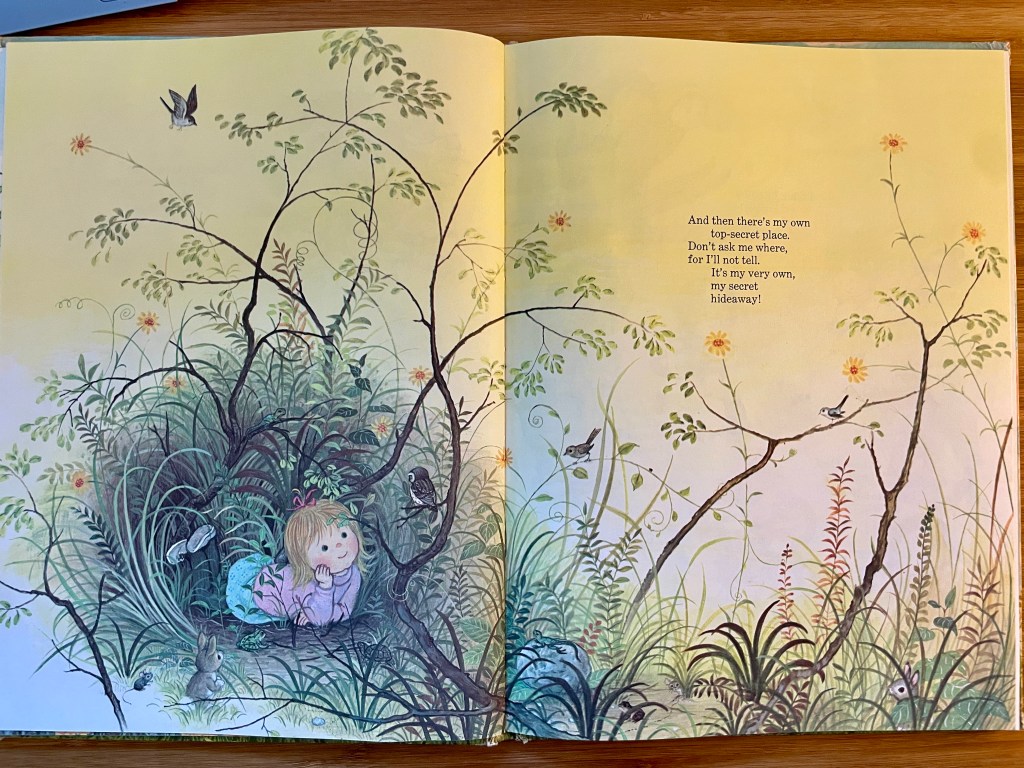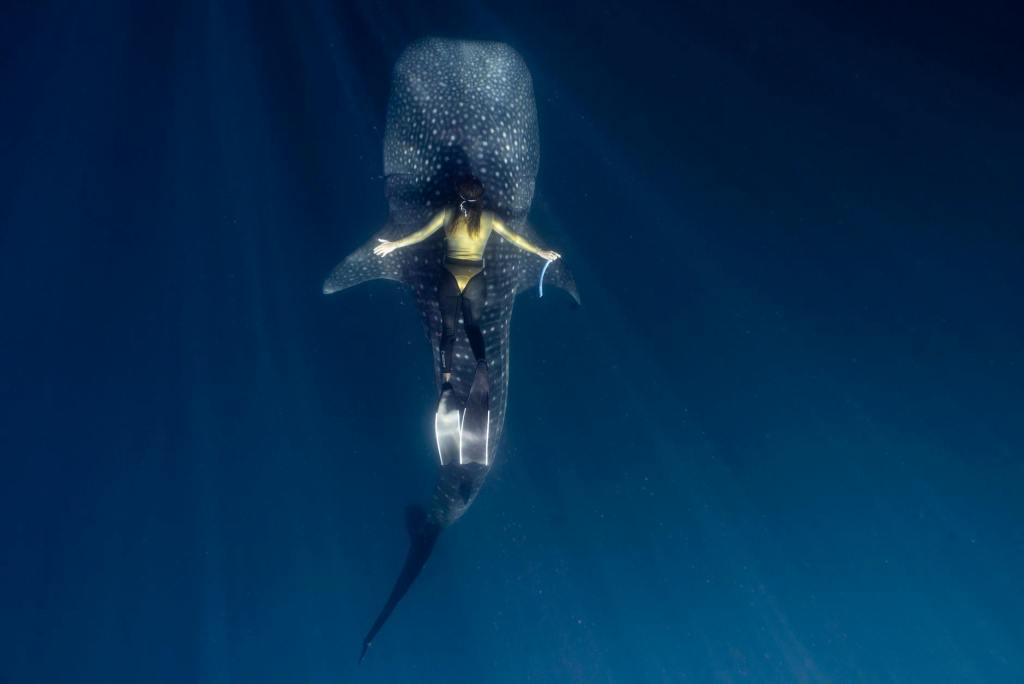
My dream home as a child was a commodious undersea bubble attached to a steep shoreline with an inconspicuous door exiting to a pristine beach. The clear sphere let in sunlight from above while allowing a 360 view from the king bed facing deep blue. Animals swimming by lived in harmony – sharks with fish, orcas with seals, octopus with clams. Eating must have happened somewhere else. I don’t recall any vegetation, only crystal water and a sandy bottom populated by happy crabs. I suppose I knew nothing about seaweed or eelgrass because they’re not exactly charismatic species. No legs, fins, eyes, or anything else of use. Some forty-five years later, I learned about kelp, in the absence of which not much else exists.
Marine ecosystems are invisible to most of us land-bound beings unless one of our favorite pastimes (mine) is watching documentaries like Our Oceans, narrated by Barack Obama. The secret lives of undersea creatures surprise and delight me every time. Marvelous, nuanced, living not so differently from ourselves. They have partners, they keep house, they protect their children as ferociously as a grizzly or human would. But they’re hidden down below, inconveniently unobservable. Is their obscurity and anonymity why we don’t exert more effort trying to save them from our harms?
For a project in my Conservation Psychology course, we were tasked with creating an outreach campaign to promote a “pro environmental behavior” to solve a pressing environmental challenge. As we all felt connected to marine ecosystems, we chose to help solve the issue of declining kelp in Puget Sound. Through research we discovered that rain gardens were one of the most impactful ways homeowners could improve water quality in Puget Sound, and therefore improve kelp health*. I interviewed homeowners in Seattle to understand the barriers and motivators to installing a rain garden, with special attention given to what resonated with them personally in order to determine the most impactful messaging and imagery (people love orcas and clean water). We were proud of our campaign, received top marks, and it was one of the most satisfying projects I’ve worked on.
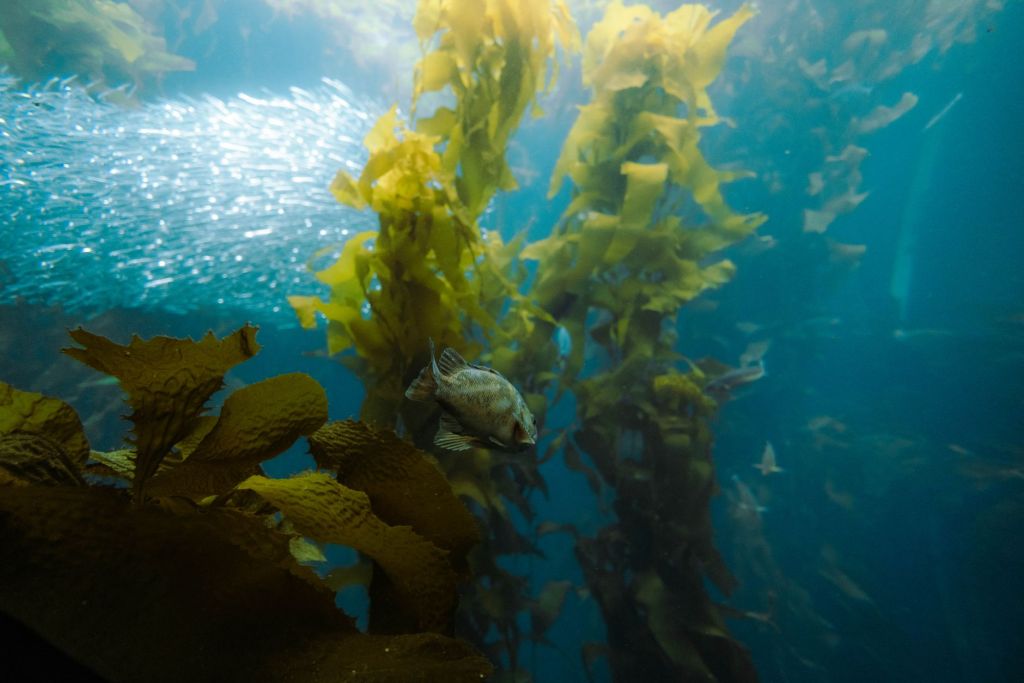
What made it so satisfying was not only reviving my marketing background by puzzling through what messages would be most effective, but also learning about the value and magic of kelp as a foundation species. Kelps are primary producers, meaning they serve as the foundation for hundreds of other species, starting with the tiniest of organisms up through rockfish, salmon, seals, orcas, and otters. When kelp suffers, the effect is a trophic cascade of losses.
Kelp populations in the Salish Sea and around the world have been suffering due to “direct and indirect effects of urbanization (sedimentation, vessel traffic, dredging, toxic chemicals, water quality impairments, and shoreline development), invasive species, resource extraction (mining, fisheries), and their interactions with climate change (marine heatwaves, ocean acidification, increased storm intensity).”
My new love for kelp marries amiably with my longtime love of trees. Walking the trail of a rainforest, ferns reaching in from either side, towering Bigleaf Maples, Douglas Firs, Western Red Cedars, it’s easy to understand the value of a terrestrial forest. Home to thousands of species, an ecosystem that benefits them as well as humans in its services and carbon capture. Birdsong above confirms that many others need these old-growth forests to remain abundant and intact.
The same is true for kelp forests. As our terrestrial forests are essential in mitigating climate change and biodiversity loss, our kelp forests are also needed now more than ever. As I begin researching opportunities to re-enter the workforce, I hold a tiny tidepool of hope that I can find something connected to the Salish Sea.
My dream house as an adult is no longer underwater, but it does have a view of the sea. It’s somewhere in the San Juan Islands, tucked within the trees on a cliff. Its window walls are bird-safe, its 500 square feet are minimalist and efficient. Twenty feet below, the water sways and the kelp lolls. An otter and her pup nap in the tendrils of bull kelp, gently bobbing in the lullaby of the lapping tide.
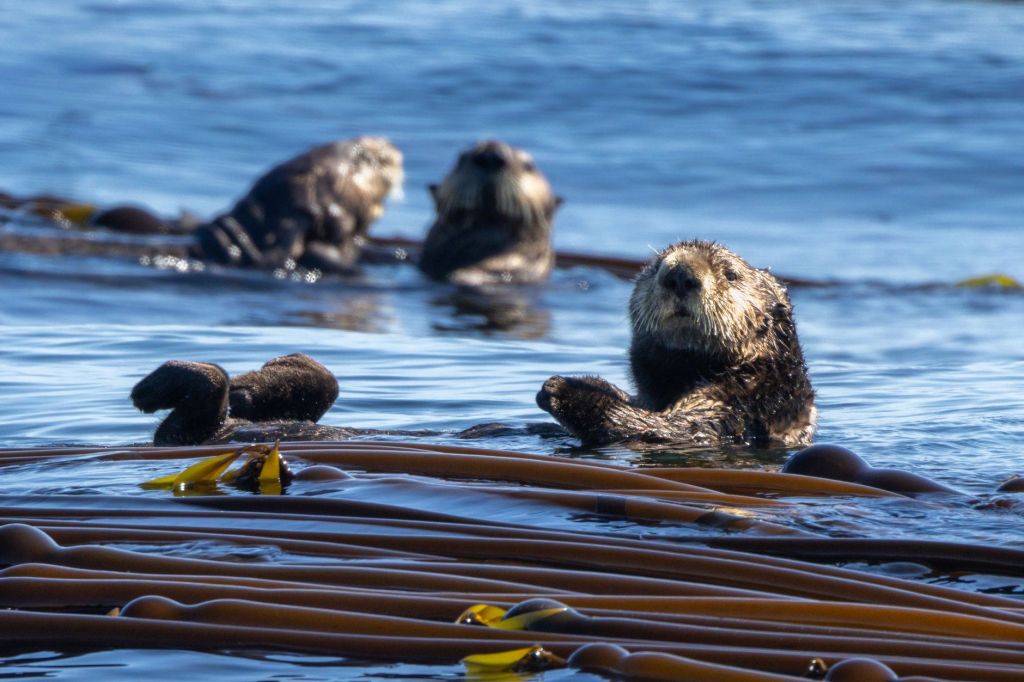
I keep this dream alive not by saving for a down payment, but rather by learning what I can do to help the kelp. It’s too late to be a marine biologist, but I can be their spokesperson and cheerleader, and speak as well for the other species whose lives and voices are muffled under the sea.
*Rain gardens retain stormwater on a homeowner’s property instead of draining to the sewage system where they can cause combined sewer overflows (CSOs) that pollute and cloud nearby waterways that flow to the Puget Sound. With Seattle’s continuing growth, stormwater pollution is an increasingly pressing issue affecting marine ecosystems. Seattle’s Rainwise program will actually pay for a rain garden or cistern to be installed on qualified properties. We love our two cisterns.