Might there be a seedling of a gardener in all of us. A yearning however small to witness something grow of our own nurturing. A nibble to eat, a bloom to admire, a shade of green on which to rest our eyes. I’ve aspired for decades to experience the satisfaction that comes with creating new life from the earth. But not very successfully, and now I know why.
Speaking to a rapt room at Town Hall this week, David R. Montgomery mesmerized the audience with stories of soil, the eons-old concoction of elements that provides us biotic beings with the food and beauty we need for survival. Until recently I’d taken soil for granted, treating it like dirt, more concerned with removing it from under my nails than truly understanding what lay under the ground. There’s so much of it, everywhere on earth, how complicated can it be?
I first learned of Montgomery from a lecture on his book, Dirt: The Erosion of Civilizations. He begins his engaging lecture by expressing the importance of reaching a broad audience with the book. Considering the importance of soil as a strategic resource on par with water, not only for agriculture but for the health of most ecosystems, there’s no human on earth unaffected by soil’s health.
As Montgomery recounts the demise of ancient civilizations due to soil erosion, it becomes clear there’s more to “dirt” than most of us appreciate. Deforestation typically begins the process of soil erosion, but it’s the succeeding agriculture that finishes it off. His world map showing where soil is most degraded illustrates that this problem “tracks wherever people are.” Might seem obvious, but the evidence magnifies the global nature of the issue. My jaw dropped when he said the amount of agricultural land abandoned due to soil erosion is the size of India and China combined, or one third of all current crop land.
What does soil erosion mean, exactly? He explains that healthy, self-regulating soil builds up in thickness over time, and so erosion is the loss of this thickness, measured in over 200,000 types of soil. Plowing, washing away, and overusing can result in total erosion. The advent of the plow launched the upending of soil’s ability to replenish itself, and then the tractor and chemical fertilizers only accelerated the degradation.
Even during colonial times we knew this was happening. George Washington recognized our westward expansion across North America was due to agriculture (namely tobacco and cotton) as soil erosion forced farmers from plot to plot in search of better soil. I found it shocking we could erode our country’s soil so quickly, a couple hundred years.
Montgomery asks: Why didn’t we just solve the soil degradation problem when we first recognized it? We already knew of soil conservation practices and solutions, like contour plowing, so why didn’t we employ them instead of continuing “self-destructive agriculture”?
Because farmers became trapped in social, cultural, and economic systems that forced them to continue farming in ways that degraded the soil. Maximizing short-term production at the expense of future soil health was the norm and necessity. The hardest problem to solve, still to this day.
But this can be fixed!
He proposes a Greener Revolution, and three main ways to change our Ag practices:
- Reduce subsidies for conventional erosive practices
- Increase support for no-till agriculture
- Promote practices to increase soil organic matter for carbon sequestration and soil fertility
We need to fix soil to feed a growing population, but he also reminds us of other essential reasons: climate change (sequestering CO2), restoring public health and improving city livability, and preserving biodiversity and healing environmental degradation. Restoring soil helps solve all of it.
The documentary Common Ground reiterates how erosion has decimated over a third of global agricultural land, turning healthy and productive soil that supported biodiverse life into dead dust. The Regenerative Agriculture movement works to reverse this with life-friendly solutions that rebuild soil for agriculture and mitigate biodiversity loss, climate change, and wide environmental degradation. Using no till practices, cover crops, ruminant integration, and minimal pesticides, regenerative farmers can effectively heal the land, making it even better than before. The primary reason this is not yet widely adopted, as the documentary exposes, is because Big Ag controls congress and the subsidies perpetuating the worst agriculture practices coated in products made by…Big Ag.
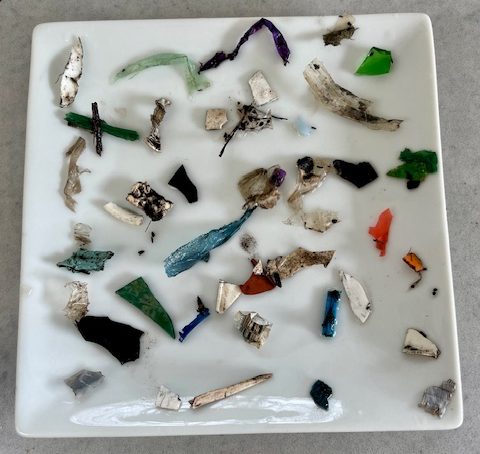
Awakening to the magic of soil coincided nicely with the resolution to my plastic compost story. For five years my row of shrubs (in a location that had been compacted by heavy machinery) refused to grow, remaining small, spindly, surrounded by weeds. The plastic compost was replaced with a rich mixture of mulch and “fragrant” compost that revived the shrubs such that within a few months they doubled in size. I had suspected their stunted growth had something to do with the “dirt”, but this was remarkable. I get it now.
We can rebuild soil, and we can do it ten times faster than nature by itself by uniting human labor and organic matter. We degraded our soils, and now we’re needed to engage with the land and rebuild it. We must get our hands dirty to wash our hands of the past (haha, sorry).
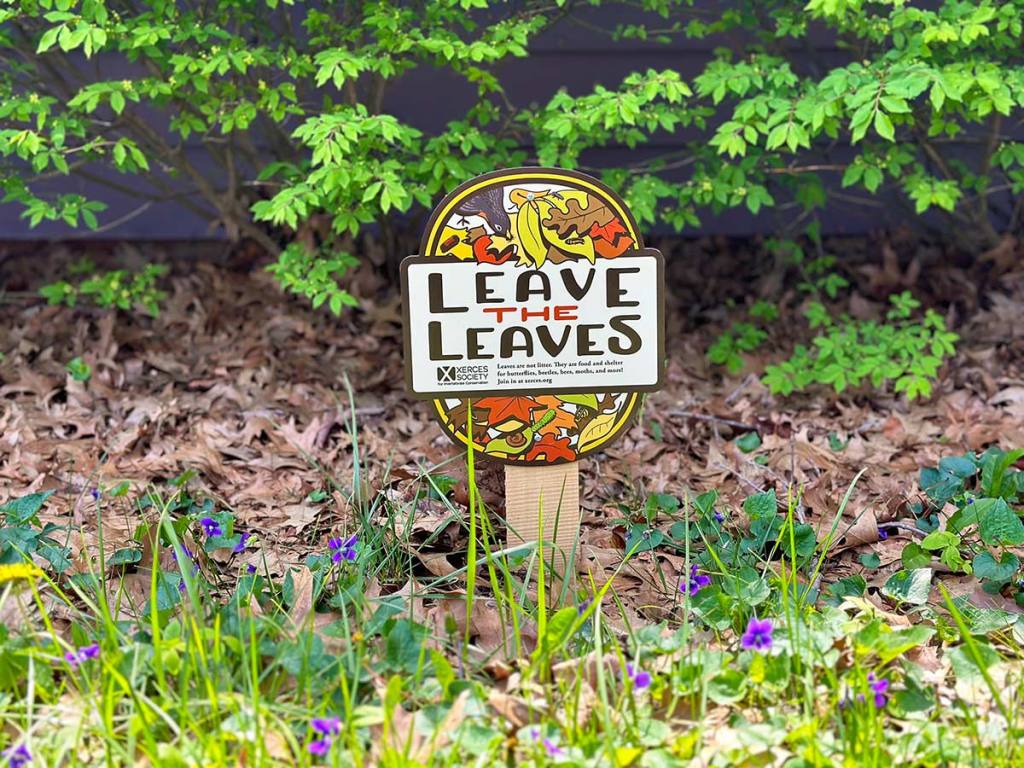
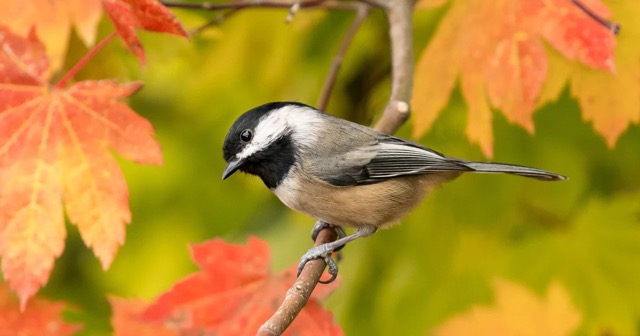
As one person I don’t have much control over agriculture besides choosing organic or regeneratively farmed food, but I do have control of my own yard. From what I’m learning, it’s actually easier to have healthy soil than to degrade it. The key is to do less. “Leaving the leaves” in the fall to allow them to cycle back into the soil (while providing wintering insects a place to rest). Limiting pesticides, herbicides, and fertilizers to minimize the chemicals that kill soil’s working microorganisms. Planting natives and perennials that don’t require much maintenance. And then using the newly freed time to sit back and enjoy the birds and bees you provided food and shelter for.
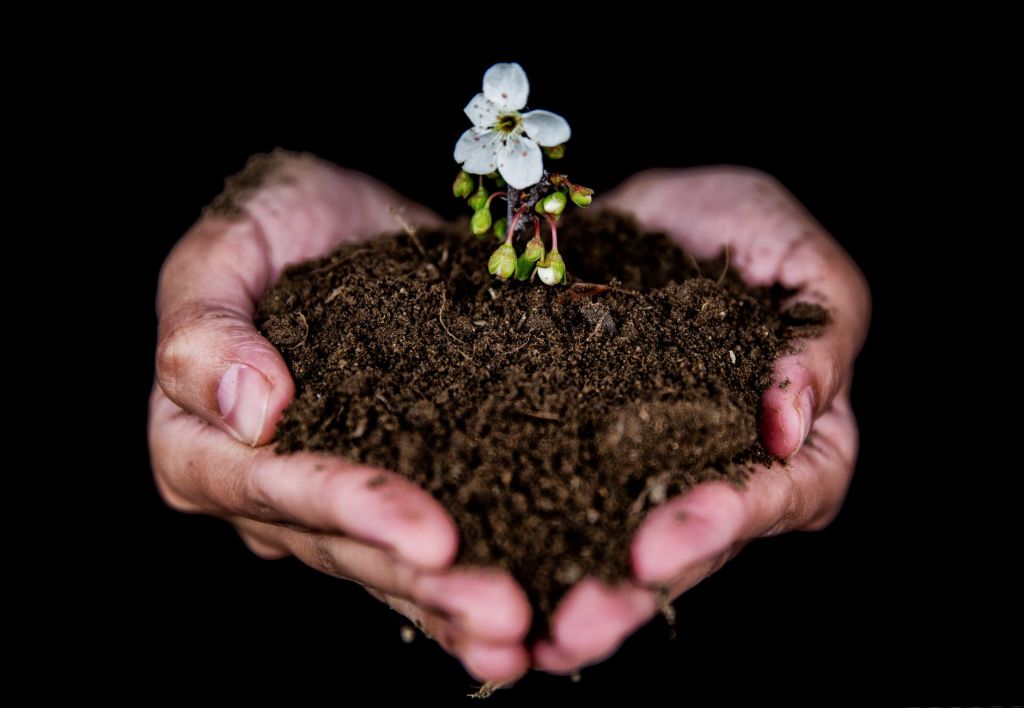
These days I seek out any tangible granules of hope for the future of life on our planet. Any reassurance that despite the gloom, life will persevere in its beautiful, enchanting, sunlit ways. Many species will be lost forever, but not all. Montgomery’s vision for how we can heal soil here and around the world gives me something I can hold on to. Starting with a handful of wriggling soil from my own backyard.

 Annegsherwood.com