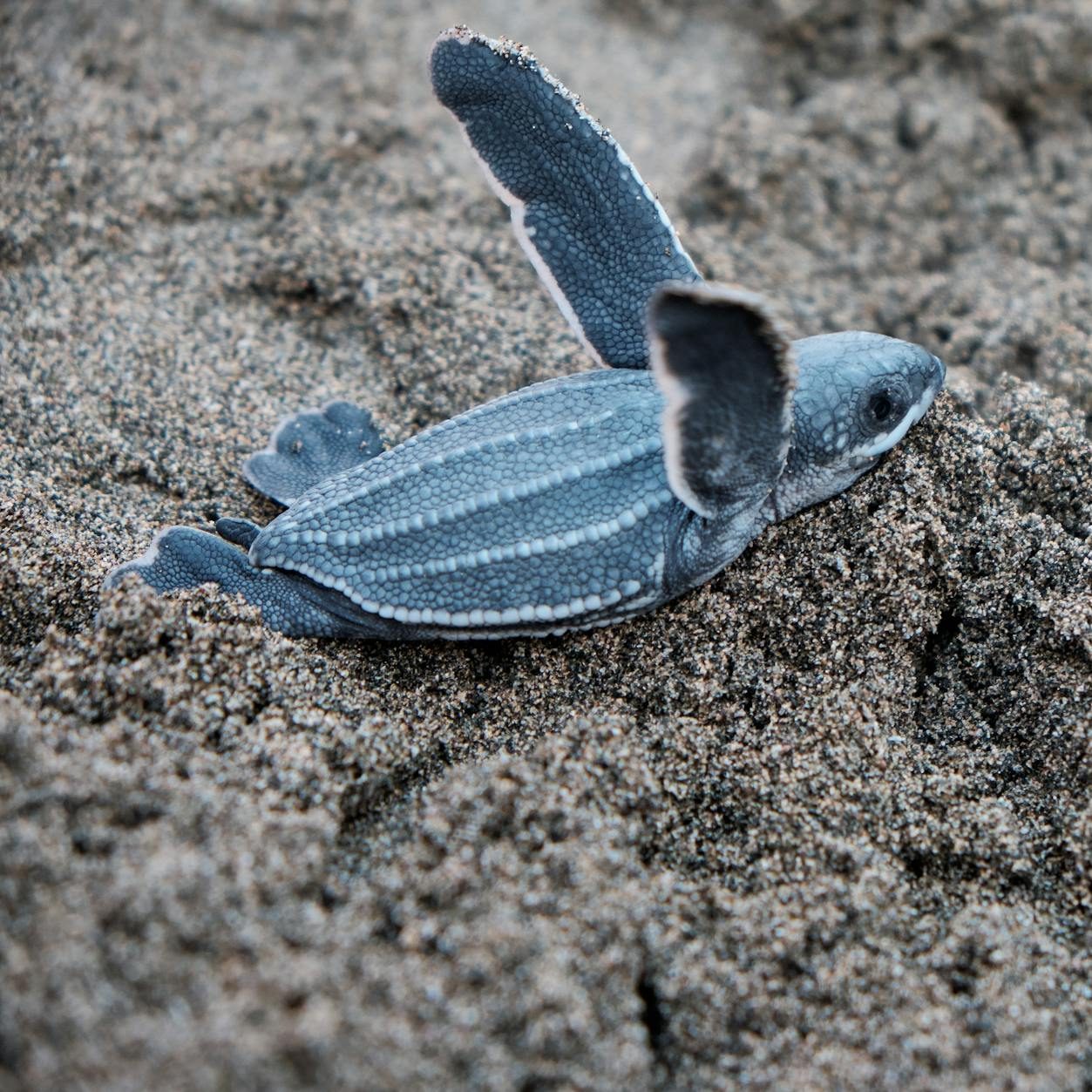
On this late spring day the two of us leisurely explore the little patch of earth that is my urban backyard. The ground squishes and wriggles from overnight rain, the sun glimpses on us shyly from behind clouds. He’s old enough to ask questions now, my future grandchild, and he’s giddy with wonder and sunshine. Every visit to Glamma’s garden has revealed something new to him. Who is this tiny green insect, this budding yellow flower, this pettable moss, these sprouts reaching up to shake hands.
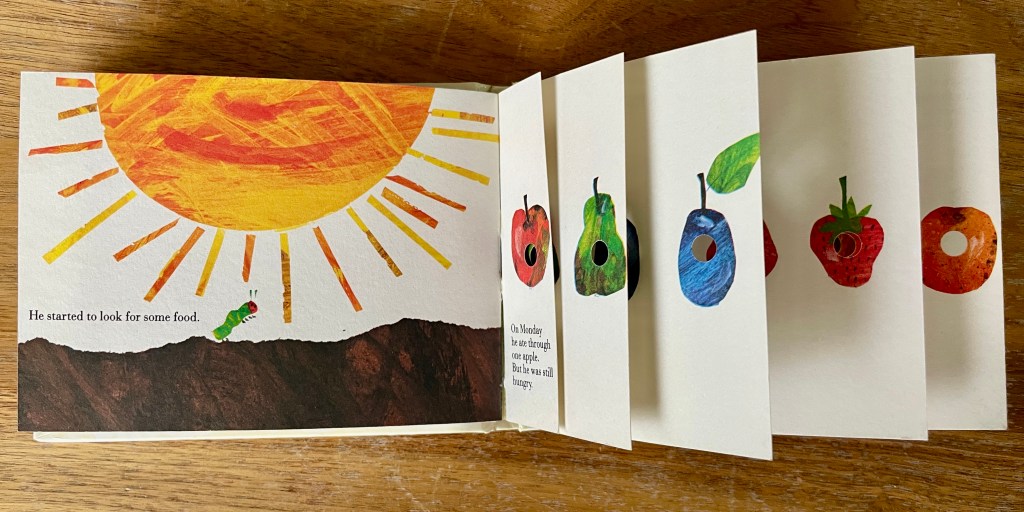
Health-conscious caterpillars munch on lettuce, spinach, peas, making serrated patterns in the leaves with their muscular mandibles. I tell the enchanting story of metamorphosis, about the magic no one gets to see until the butterfly decides it’s time. Naturally we read The Very Hungry Caterpillar on a picnic blanket, indulging in a children’s feast of curated favorites from the book: plums, strawberries, swiss cheese, chocolate cake.
Dabbing our lips we watch the songbirds visit the shrubs along the fence to fill on their own afternoon snacks of twinberry, huckleberry, snowberry. The twiggy plantlets I nurtured with beginner hands decades earlier have grown to provide nourishment for the birds, perennial beauty for us. He knows their species because they were some of his first words. Our attempt to imitate their gleeful songs with our own tweeting and cheeping dissolves us into giggles.
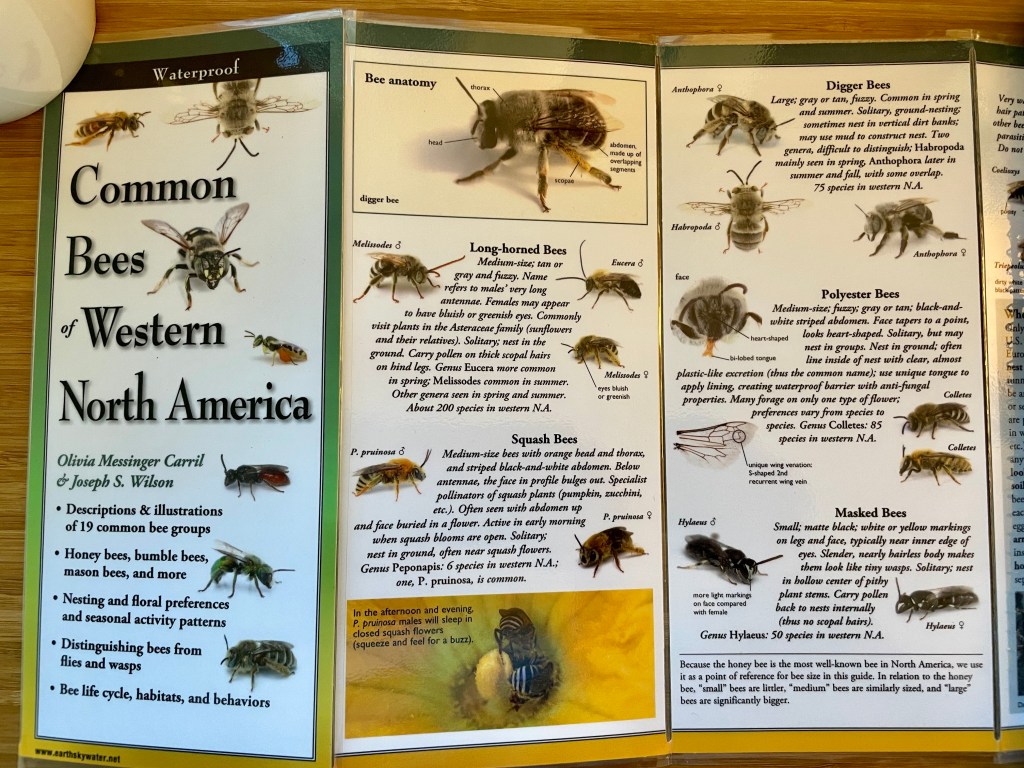
At the flower garden we count the bees, use our laminated guide to identify a new one. Doesn’t matter if we’re accurate, the act of observing these adorably diligent workers makes us happy anyway. They came back this year, hurrah!, and their return was not guaranteed. There were years when their numbers dwindled and I held my breath. We resolve to plant a few more lupine and meadow checkermallow on his next visit. He loves to fill his hands with soil, take some home under his fingernails as a souvenir.
The following morning (it’s a sleepover), we midday at the zoo despite the drizzle, varying our adventure from last time, seeing nearly everyone before our cargo pants soak through. He understands the animals are here because their usual far away homes are not yet safe for them, and seeing them up close might change a visitor’s perspective, might inch them toward deciding with certainty that they are worth saving. Eye to eye in flesh, fur, and feathers, they are harder to bid farewell forever.
This is my grandmother dream, should I be so lucky. To show them that earth is a miracle, wondrously alive everywhere we look, every second of the day. I wish for a future where we have saved it all, and gone even a step further and renatured anywhere we had the opportunity to do so.
I don’t think I need to list all the factors causing biodiversity loss at breakneck speed. We know it’s us, and future generations will know it too. They’ll understand that the reason they don’t have the diversity of life that we had the privilege to live alongside is because we let it go. An ocean-size chunk of life will be missing from their human experience, an evolutionary experience that will still be embedded within their DNA, still yearned for, but no longer available.
I am not comfortable with the idea of having to explain to a future child why we chose to ignore the existence of other life on our planet, to consume more than we needed despite knowing our impact. Part of my grandmother dream is having lived a life I am proud of, to be able to say I tried. For them, and for all the others.
It’s not our individual responsibilities to save life on earth. There are very powerful forces preventing us from taking action that we know is helpful and would feel great about. Political, business, institutional, and cultural forces all converge to place barriers between us and helpful action. Social norms play a huge role as well in whether we engage in nature-friendly ways. If no one else is doing it, our need to feel connected to other humans might supersede our need to do what’s right for nature.
But we’re also not helpless. There’s so much we can do, all an easy google search away. What can I do to save biodiversity? (An acceptable use of AI?) And if we have more money than time, we can always donate. There are 60 million millionaires (of which 3000 are billionaires). If they shared their riches to save nature, their dollars would go a long way, they could be planetary heroes. And they could influence those political, business, and institutional forces to make it easier for all of us to live sustainable, nature-friendly lives.
In the meantime I have no excuse for not doing everything I can to live mindfully of other species. For the sake of all the delightful life out there, as they deserve to continue to exist in their own right, but also for the future children who deserve to experience the beauty we have here.
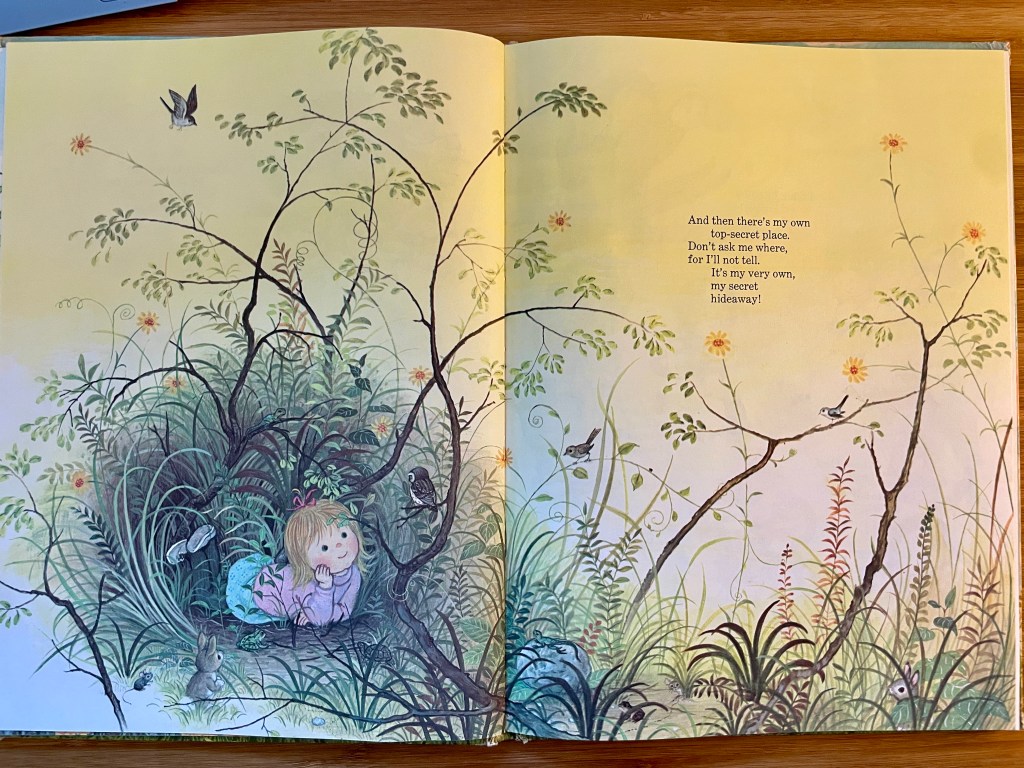
At bedtime I read to my grandson my favorite children’s book, Oh! What a Busy Day. The illustrations of nature mesmerize him as they did me so long ago. Glamma, He says, that’s your backyard! Indeed it is.
We don’t have to wait fifty years to tell the amazing story of how we saved life on earth. We don’t have to wait for that incredible feeling of generosity and relief. We can feel it today by writing that story on the fertile soil of our own backyards.

 Annegsherwood.com