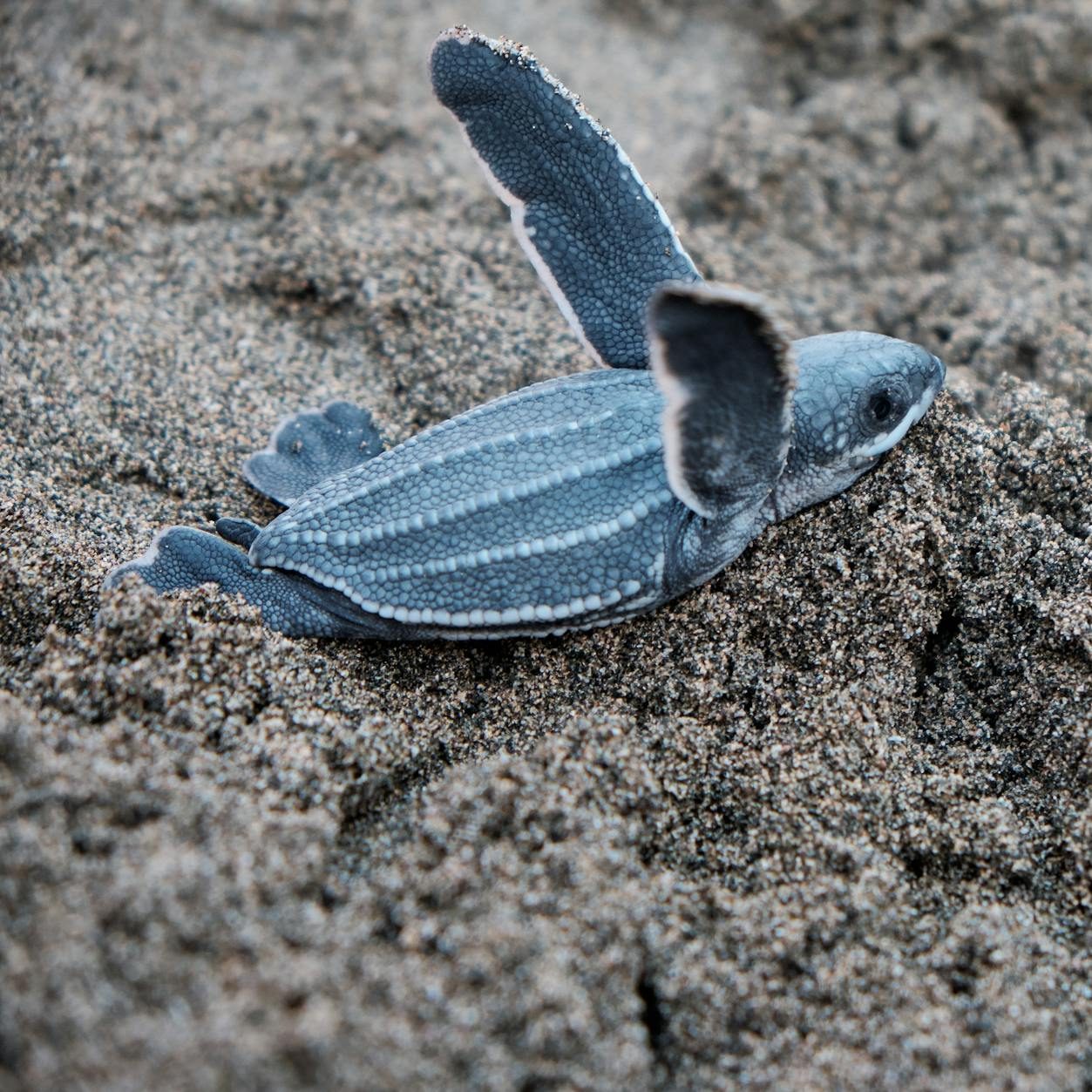
Early morning is fuzzy outlines and shades of charcoal. My preferred time of day regardless of season, but in winter, these minutes towards dawn stretch liminally longer.
I feel along the bedroom wall to the bathroom, then proprioceptively find my way to the Bunn machine. Muscle memory guides me to the indelible pleasure of bitter black coffee. The liquid is dark like the surrounding room, yet contains the chemical properties capable of sparking within me the first light of day.
This is when I most love to write, when sunrise is still an hour or two below the horizon. With lights off, the chores, yardwork, and pile of bills are invisible, somewhere beyond the glow of my laptop. Like trying to sleep while my brain allows nothing of the sort, sitting in the dark frees my thoughts to go wild without constraint, to see more vividly from my mind’s eye.
Inevitably the sun presents itself along with the list for the day. Industriousness takes over, fueled by short breaks of nourishment until energy is depleted, usually around sunset. Today that is 4:38pm, one minute later than yesterday.
Unlike pre-dawn, when the immediate future promises the awakening of daily bustle, sunset snuffs out the day, leaving me sitting again in the dark, but this time without the vital charge of my medium roast. It’s an entirely different experience from twelve hours earlier. Writing is futile.
It’s only then I take notice of Seattle’s Big Dark, the gray string of gloomy months when daytime’s validity is questioned. I’m not upset about it, exactly. It’s more that I feel affronted, as though the premature sunset is offensive. How dare it end my day before my list is complete. How dare it make me wear a dorky reflective vest on my afternoon walk.
But then I remember what I love most in this world, and I dismiss my self-serving inclinations. The earth has been doing this rotation thing for quite some time, spinning and revolving in harmony with the sun to create conditions that species other than me have gotten quite used to.
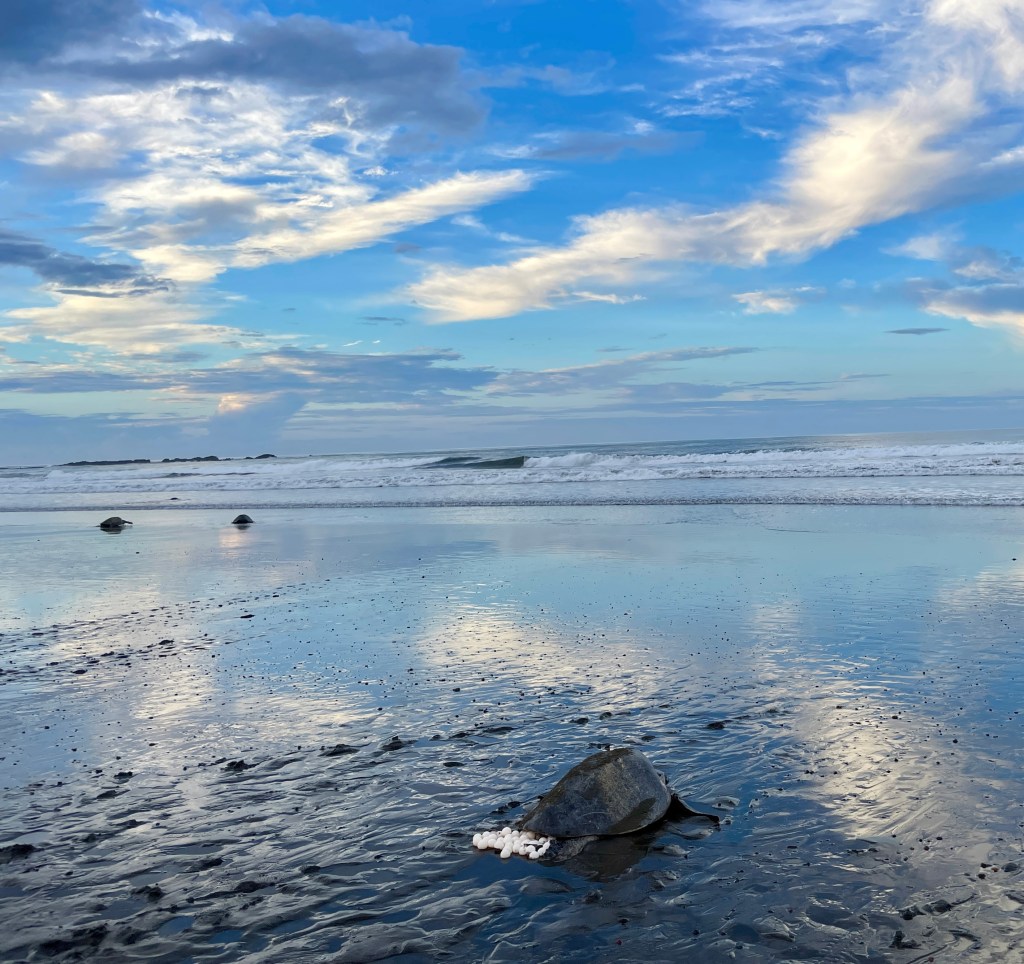
At various times of year and in various parts of the world, species rely on the dark for survival. Sea turtle mothers need the blackness of night in order to come ashore to lay their eggs. Migratory birds need dark skies in order to successfully navigate to their wintering or breeding lands. And of course nocturnal animals like owls and bats would have difficulty surviving without the regular rhythm of night.
If I were to impose an aversion to winter or darkness on other species, I would be disrupting the natural order of their lives. I would be making their survival in our anthropocentric world that much more difficult. In addition to disappearing, animals are changing their lives, like becoming more nocturnal in an attempt to co-exist with our expanding populations.
It seems fair to me, given how much nature has provided for me, that I relinquish a modicum of my own creature comforts for the simple survival of other creatures. There is much we can do to help them, but turning off lights whenever possible seems to me the easiest thing to do. Conserves energy, saves us money, helps the birds. Maybe even gets us to bed a little earlier so we’re more rested the next day.
So with darkness seemingly around the clock, how am I to cope?
In my nature-loving book club we just read Wintering: The Power of Rest and Retreat in Difficult Times. The book blurs the distinction between seasonal wintering and emotional wintering. The two often cross paths, though it’s certainly possible to Winter in the summer, particularly if the pressures of summer activity clash with an ongoing traumatic event.
The author shares coping strategies for winter such as partaking in sauna and cold plunges. I know these are effective and enjoyable for some because my husband swears by both, sitting in sauna for an eye-sweltering twenty minutes, and then the next day luxuriating in 45-degree water for eye-shrinking bouts upwards of ten minutes. These two options are…unappealing to me at best, as I have challenges with both claustrophobia and hypothermia.
For me, coping with winter is an out of body experience, meaning it has little to do with my own body. Daily walks do help, yes, but it’s less about the exercise than about being outside. Inside my house there are three living beings – myself, my husband, and my 6-pound maltese. But outside my door, there are millions.
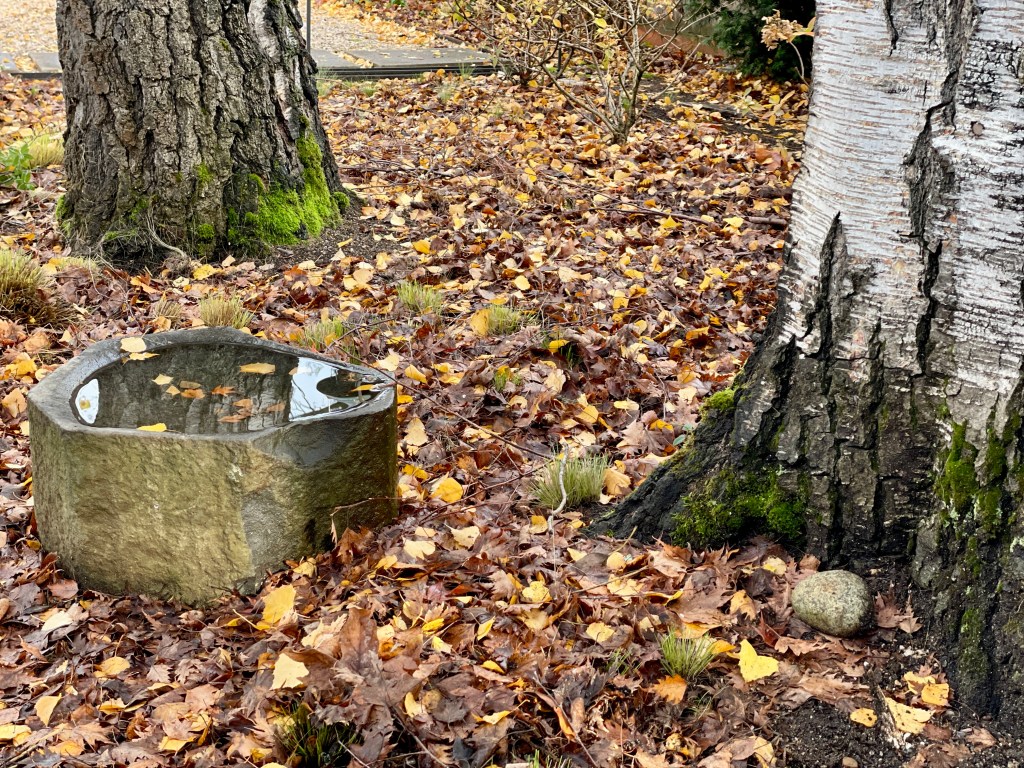
Some are asleep for the winter, like the deciduous trees resting for spring, or the insects hibernating under leaves, but many still go about their lives, like the evergreens who continue to photosynthesize, and the birds who’ve plumed out and plumped up for the cold. But even those resting are still alive, and I find their company akin to observing my peacefully sleeping pup. All the good feels.
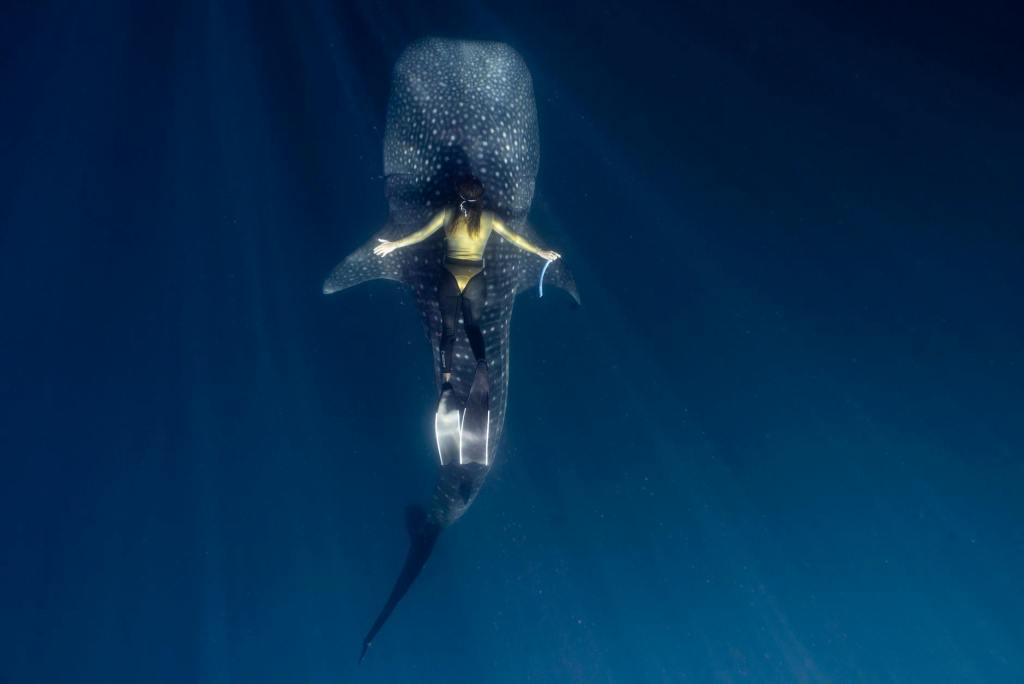
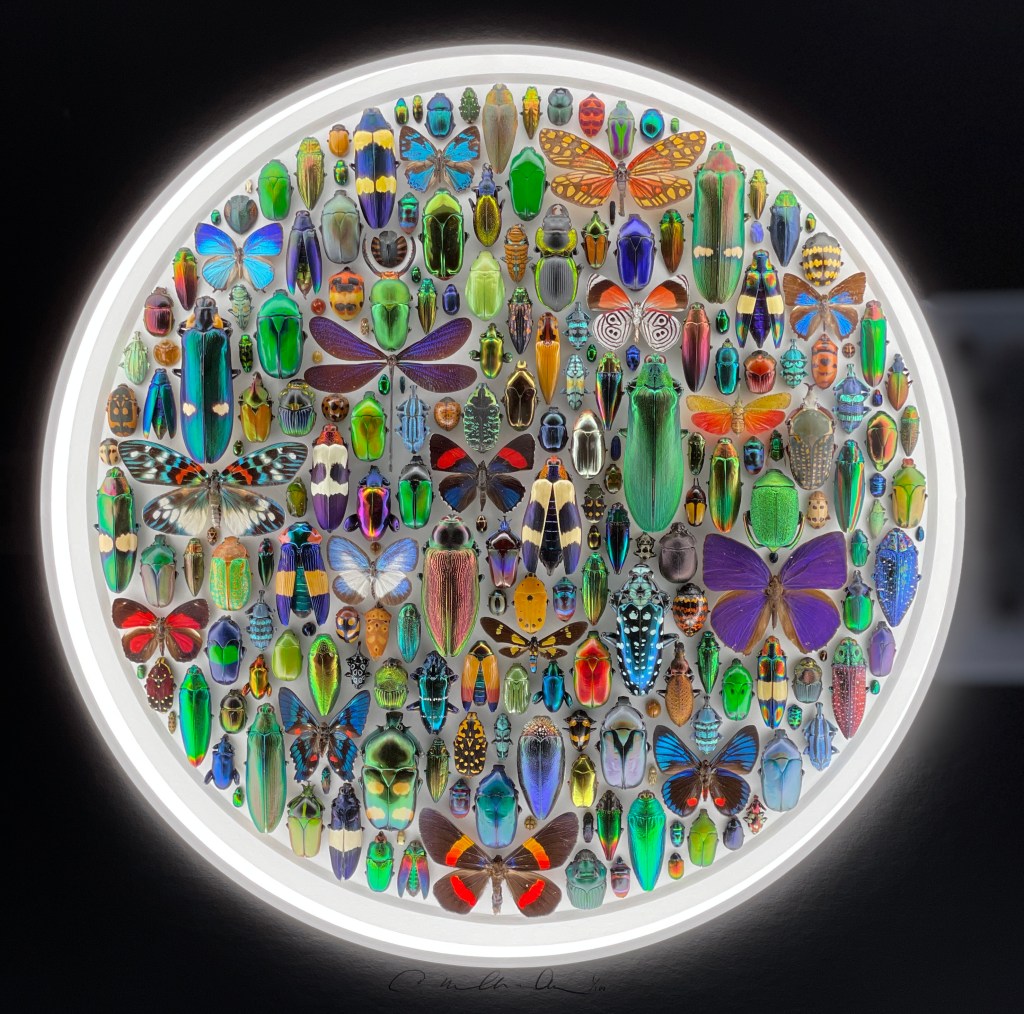
If I find myself needing a little more life than those I encounter on my neighborhood walks, I simply travel my mind to other parts of the world. On land and in sea are trillions of beings in all phases of their busy lives. Whales giving birth, tigers nursing cubs, birds building nests, spiders laying eggs, mushrooms webbing underground, bees pollinating blossoms, baby turtles racing toward the sea, salmon migrating to spawn, and an immense world of insects managing our ecosystems.
Thinking of them (so many to choose from!) imbues within my soul their pulsing, animated existence. There is always life somewhere. There is always light somewhere. Sometimes we just need to turn off the lights to see them.

 Annegsherwood.com